Monday, 16 February 2015

Visual language and Eroticism, Art Nouveau

Art Nouveau affected all art and design mediums. There were different variations of Art Nouveau in different countries. It was a visual language based on change.

In Britain, industrialisation created social and political gaps. This threatened the stability of the nation. The industrial revolution brought wealth to the country. Art Nouveau celebrated the new materials and technologies and mass production.

Arthur Mackmurdo


Sculptures were made around the idea of new technology and materials.

Alphonse Mucha


The female form was presented a lot more in painting and sculpture; the women in the artworks were also represented in a sexual manner, with nudity and often eye contact that engaged with the audience more.

Jules Cheret - Sex Sells

Advertisements started using more erotic presentations of women to sell products.

The French adopted the Rococo style, and Art Nouveau was influenced by this visual language. It evolved from Rococo.

A whiplash movement of marks and flow of lines was used in arts. This style was a metaphor for society changing and on the move.

Agathon Leonard


The references to wings and flight resembled the change that came with art Nouveau.

In the 19th century, the west became obsessed with Japanese art styles.

Kitagawa Utamaro


Tolouse Lautrec


36 views of the eifel tower - Henri Riviere
36 views of mount fuji - Hokusai

Photobucket

Photobucket


Europeans bought Japanese prints based on the everyday life. Also tales of mythology and heroes. In Japan, love and sex were a common part of lifestyle and many Japanese erotic prints were created which became part of the european underground pornography scene.

Hokusai


Flowers were used in Japanese symbolism as a reference to one's sexual lifestyle. A flower with open buds was seen as a metaphor for a promiscuous person, and closed buds represented virginity.

Paul Berthou - Folies Bergeres


Armchair - Rupert Carabin


Cats had a symbolism of sexual references.

In British textiles, curvy lines were used as a form of erotic language.

Archibald Knox


Visual Language and Decadence, Art Deco

The Art Nouveau period ended with the first world war. There was an air of optimism, and people thought that death and destruction on a scale that large would never happen again. Art Deco began, it affected most visual arts including fine art, fashion, architecture and more. It was a visual language based on quick consumption and industrial and technological celebration.

There were many motifs in Art Deco; it incorporated expensive materials and aimed to express modernism. The visual language had various different forms and influences. There were concepts of mortality and living in the here and now.

Picasso's cubism work reflected the art style. Cubism was a new form of realism which presented subjects from more than one perspective.


3 Musicians - Picasso

Fernard Leger


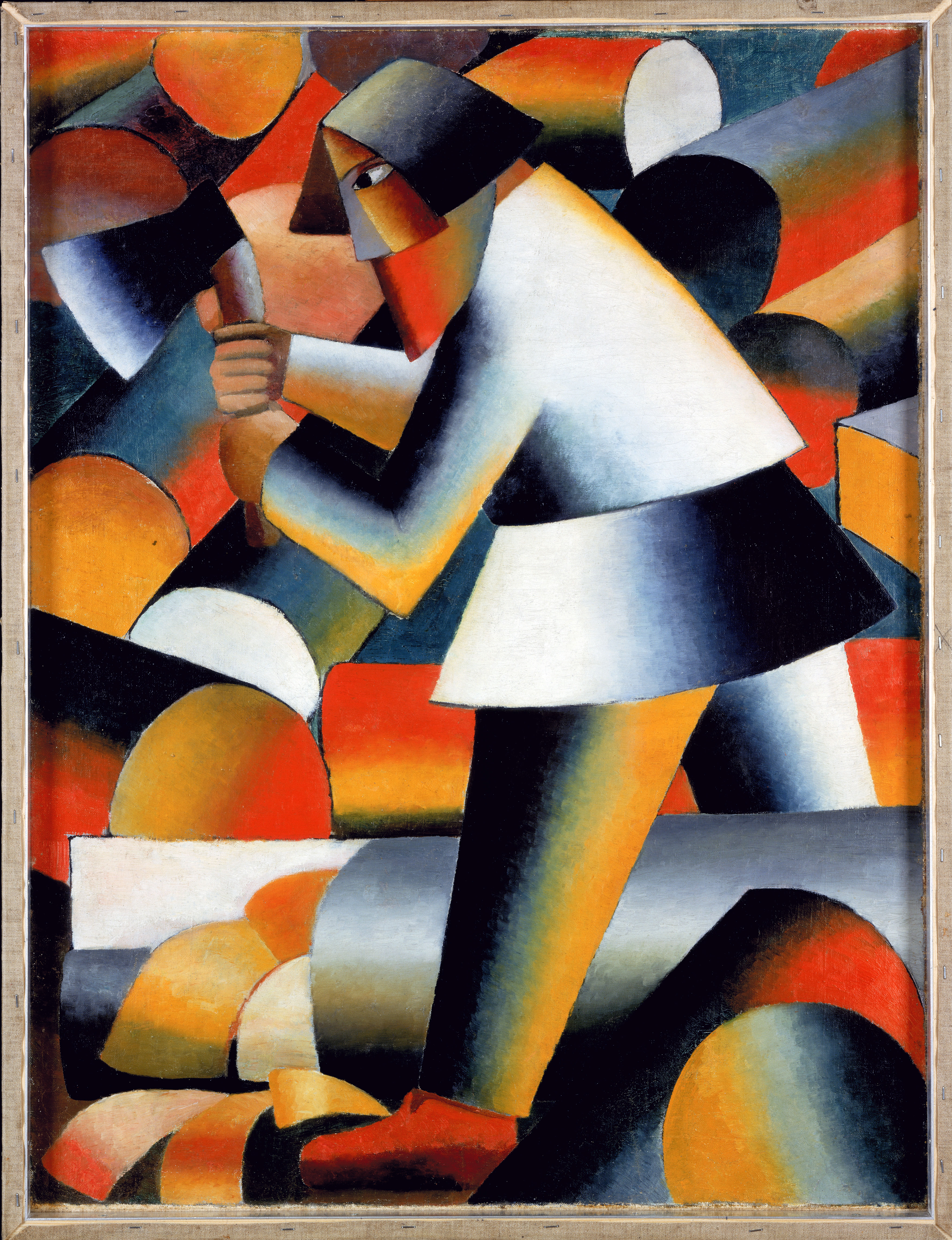
Kazimir Malevich


Archaeology had an impact on the new art language; Aztec and Mayan civilizations influenced architecture and design.

Jan Eisenloeffel


Uxmal

Uxmal Pyramid of the Magician.jpg

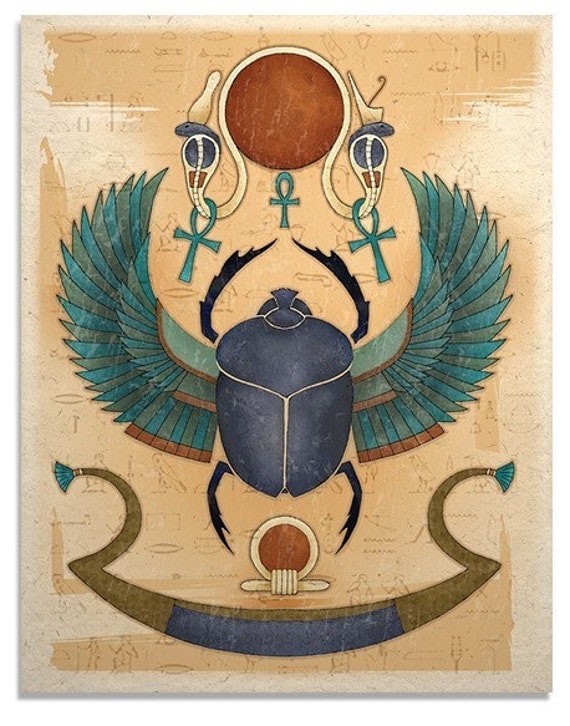
Egypto-mania was an obsession with ancient Egyptian design and culture.

Tutankhamun Temple 1922


Cartier


Art Deco architecture was very modern and new.

Art Deco Flats - Paris


Hoover Building - London


Other aspects of design were more modern too. The motor car began to be mass produced.

Hupmobile Coupe


There were notions of speed and immediacy in the design of the cars. The body shape was streamlined and some cars had stripes painted on them to imply rapid movement.

Raymond Loewry


The most expressive Art Deco experiments were in architecture. Skyscrapers stared to appear, and their tremendous size and design was an expression of success and achievement.

Empire State Building


Chrysler Building


Miami Florida, Art Deco Quarters


Art and design took inspiration from architecture and also surrealist artists. Fashion changed and became more about practicality.

The flapper fashion


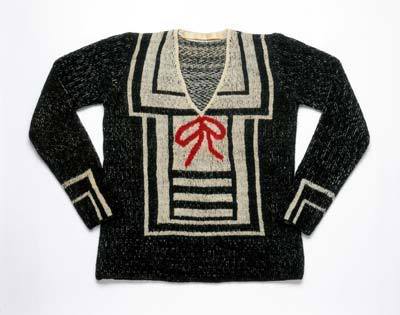
Elsa Schiparelli - Trompe L'Oeil 
Clothes patterns


Salvador Dali - Lobster Telephone


Fashion stopped before the height of the second world war, when France declared war on Germany.


Socialist and Democratic Modernism: Germany and Sweden 1919-1950

The first world war was the first mechanised war. There was social vacuum left after the war. Arts expressed the new visual language that formed later which was modern and based on class equality.


Bauhaus 1919-1933


Architecture had a modernist style which influenced subsequent developments in art and graphic design.


Walter Gropius - Manifesto of the Bauhaus 1919


Weimar 1919-1925


Johannes Itten - colour theory


Wassily Kandinky - shapes
Abstract Expressionism


Paul Klee


Dessau buildings in the 20th century were influenced by the Bauhaus. The Bauhaus was a very mechanical design; there was no individuality or class oppression because of the uniformity of the houses. The design was functional, but not decorative.


Marianne Brandt


Ludwig Mies Van Der Rohe - Less is more


The design emphasised simplicity.


The Bauhaus school was closed when the Nazis became the political power in Germany. Students spread out from Germany to countries such as USA and England. The influence and ideas from Bauhaus design also spread to these countries.


There was a democratic design experiment in Scandinavia, where the climate is a lot more extreme and people spent a lot of time inside their homes. Homes were purely practical and designed around comfort. The home was an area of lifestyle. The Scandinavian modernism design had a more expressive individuality rather than oppressive like Bauhaus design.


The modernist design had a style of equality. Swedish design had the largest influence on Britain.


Swedish modernism - Stockholm Exhibition


Stig Lindberg - narration of modern life through illustration.


Olle Eksell illustration


Gamla stan - 13


Nazi Germany, Britain, and Imperial Japan 1930-1945

Graphic design was very significant during the second world war with the production of propaganda posters. Dissemination of information in propaganda was also presented through film.


Germany lost a lot from the Treaty of Versailles at the end of the first world war. From the late 1920s to the early 30s there was a hyper inflation in Germany. The Germans printed more money, however this made it's value even less substantial.


Hitler promised strength and power back to the German population. He come up with a four year plan to return Germany's stability which was successful. Giving the people what he promised made them trust him and vote for the Nazi political party. Then the real intentions of the Nazis were revealed, but it was too late for them to be voted out of power.


Design brought a corporate identity to the Nazi party. Their symbolism was an instant identifiable message. The 1936 Olympic games in Berlin was linked to the Nazis and Roman imagery, relating the Third Reich to the great Roman empire.


The Cult of the Celebrity - Actors' image was borrowed by Nazi propaganda


Traudl Junge - Questioning loyalty to Hitler


The Hitler Youth indoctrinated young German people. The children were brainwashed by Nazi propaganda from an early age. Hitler believed that repeating lies would make people begin to believe them.


The Jewish people were presented as stereotypes, with exaggerated large hooked noses and often shown to be greedy. Jews were treated as inferiors in society. Nazi propaganda focused on racial superiority.


The British government didn't want to immediately go to war with Germany; Britain needed to gain strength in its military first. The propaganda in Britain was used to convince people that Britain was strong and powerful enough to oppose the German army. There was a sense of patriotism in the propaganda and it rallied people to fight against a common enemy. The colonies of the British empire were often presented together as one.


V for Victory clothing designs


There was also British propaganda that warned people about illness and disease. Britain couldn't afford to lose people to disease or injury. There was a make do and mend attitude, and people were told to make food and supplies last.


Japan needed supplies such as oil. The Japanese negotiated with America but later attacked Pearl Harbour. Japanese propaganda during the war was psychological attacks on the Americans. They aimed to turn the allies against each other.


The westernized Japanese society started to become more patriotic and focused on Japanese culture again.


Koi and Soldiers Kimono 1930s


Emergence of Global Consumer Culture Threatening Local Tradition and Language in Art and Design

After the Second World War a consumer culture was born. The war brought many factories to life and this meant lots of people were working. The population of countries like the USA and Britain had lots of disposable income which they spent on luxury items and newly developed products.

Factories that had produced military vehicles during the war were producing new automobiles for the public, television and radio sales increased and production rates were at an all time high. American culture spread throughout other parts of the world such as Europe after the Second World War.


Companies like Coca-Cola expanded internationally and sold more products during and after the war.

Art and the visual language of some cultures also changed. A new pop art movement emerged and was linked to consumer culture ideas. Andy Warhol produced pop art style prints of consumer products such as soup cans.


Design changed after the Second World War, when USA and Russia began the space race and attempted to be the first country to get man to space. Automobiles such as cadillacs had design aspects which resembled space rockets.


A youth culture emerged in the 1950s in the USA and spread out to other countries. The youth had a rebellious nature and lived in the moment. This involved a lot of luxury spending in fashion and cars. Buying things was a way for the younger generations to express themselves.

This culture later spread to Britain. Britain was still rebuilding after the war so rationing and reconstruction meant less optimism than USA. By the 1960s Britain was at the forefront of art and design. Rationing had ended and consumer culture was introduced. Modernization in consumer products meant that design was always changing. People competed to have the newest, coolest designer products.


Monday, 9 February 2015

European Surrealism 1920 - 1935

Surrealism in art originated in western Europe around France and Germany. There were a group of people that called themselves Dadaists. They believed in the concept of anti-art and created pieces of artwork that resulted as a response to the events of the first world war. Dadaism art rejected logic and embraced chaos and disorder in aesthetics and concept.

sigmand freud - chance meeting on a dissecting table of a sewing machine and an umbrella

max Ernst


Rene Magritte


Salvador dali


lee miller modelling solarisation


Wednesday, 4 February 2015

End of 20th Century Digital Age


brian salad - elp - alien films

Album artwork in the 1960s and 70s embraced the digital art form. Bands such as Led Zeppelin had digital art on their album covers. An example is their album Houses of the Holy.


This album cover included photography of nude young people, which may be considered controversial today.

brian duffy artwork
end of 1960s darker mood - end of vietnam war - black sabbath

rob reiner spinal tap - mock of rock music
1970s rebelling against politics sex pistols
jamie reid
celebrating anarchy - anti establishment - sid vicious - provocative
malcom garret dadaists style artwork

don mccullin bradford 1978
saatchi and saatchi 1979
grim -black and white images - anton corbijn - joy division
kevin cummins

fortunado depero - peter savile

the face magazine
down to earth - gritty photography - chris fillip 1981 skinningrove
keith patterson - mining strikes

ireland terrorism in england

british live - positivity - colour photography - martin parr - the last - not posed photography

1960s and after - fine art moved away from paintings and sculpture - toward conceptual art - intimations - joseph boyes
turner prize - casting houses
environmental art - typography jenny holtzer projection

yba - young british artists -sensation - damien hirst shark
damien hirst skull diamonds

daniel buren - no limits to materials in art

turner prize winners - digital - video art

a clockwork orange - stanley kubrick
straw dogs - sam p.
wicker man 1973
the exorcist 1973
franchise developing - bruce lee
the godfather - gangster films
 vietnam war movies - the deer hunter
jaws - blockbusters - stephen Spielberg

star wars 1977

digital tech in movies - tron 1982
luxo junior 1986 - first animated cgi film
pixar - toy story 1995 - 3d cgi

matrix - concept - we're living in a digital world

a scanner darkly 2007 - animation technique -

atari games console 1972
space invaders
super mario

neville brody digital art
vaughan oliver

phones social media texting
world wide web - 1989
facebook- communications change, sharing of art is a lot easier and public
surveillance privacy issues
banksy cctv art
copyright - digital art - limiting accesibility - security and privacy

digital media effecting the way artists work - before and after computers